
Skyrail Tactics
Plan a route with a partner, then hold each junction against another two-player crew. This turn-based tactics game runs in desktop and mobile browsers.
See the full game catalogueWe make browser-based multiplayer games, run the servers behind them, and help partner studios publish their titles. Find your next regular session here.
Built for the long session.
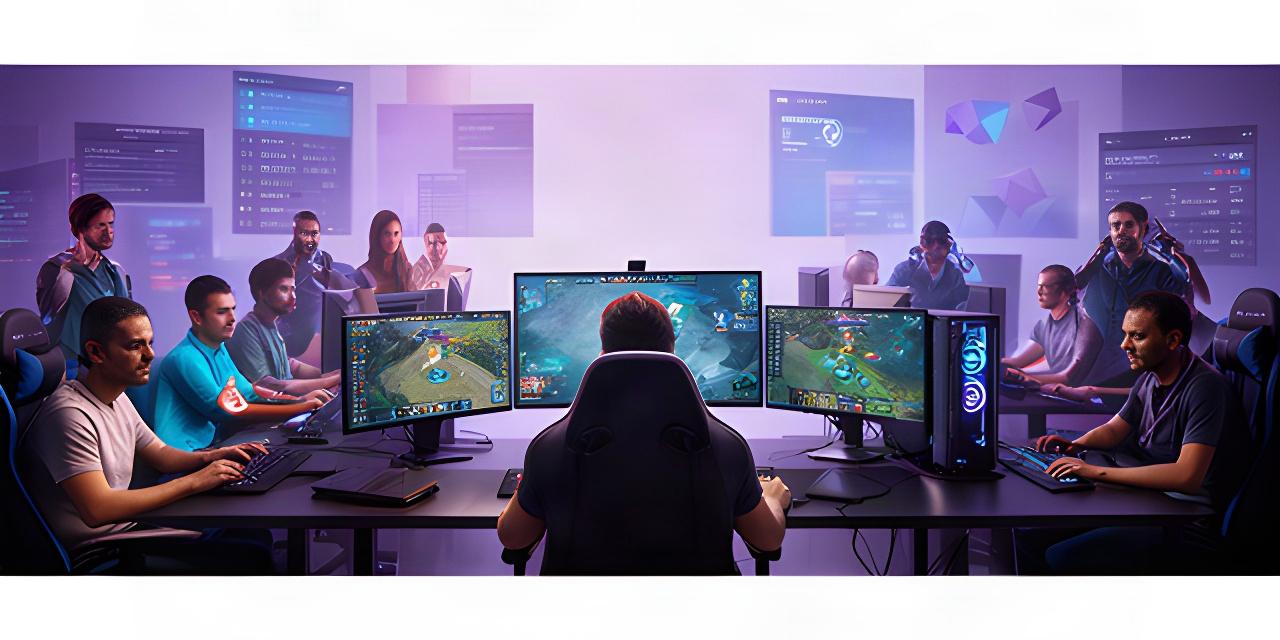
Live matches, player accounts, and server status in one place.
Four distinct ways to spend a session. Each title runs in your browser and uses a player account to keep your place.
Plan a route with a partner, then hold each junction against another two-player crew. This turn-based tactics game runs in desktop and mobile browsers.
See the full game catalogue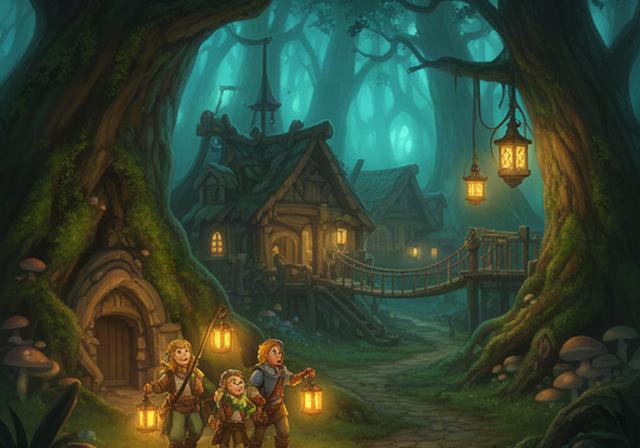
Build a shared woodland outpost and take on short quests with a party of up to four. The co-op browser RPG saves your guild progress to your account.
See the full game catalogue
Design ships, trade parts, and test your build against other pilots in live arena rounds. It plays in a browser on desktop, with account-based loadouts.
See the full game catalogue
Pick a crew, read the current, and race head-to-head through changing river courses. Quick browser matches support two players in the same room.
See the full game catalogueA small team can move through the same clear stages as a growing studio. Keep the loop clear.
We turn the concept into a playable browser build at our Rogers studio, then test the main loop with real players.
Dedicated game hosting, server monitoring, and live operations keep the title running as its community grows.
We prepare storefront placement, player account tools, and the release details your audience needs to start a session.
DMarket develops browser-based multiplayer games and runs the services that keep them live. Our team works from 1905 West Linda Lane in Rogers, Arkansas, with a practical focus on the details players notice: room setup, account access, match stability, and updates that land cleanly. We also work with partner studios that need hosting or a publishing path for an online title. We stay close. Bring us a project, a playable build, or a specific problem you need solved, and let's talk through the next step.
A good session depends on the work players don't see. That matters.
“We played for three hours on a busy night and stayed connected through every round. I didn't have to think about the server once.”
“DMarket gave our small team a clear publishing checklist and a real person to ask when we hit a snag. The account setup was easy to test, and the storefront notes helped us prepare our launch page without guesswork. We could focus on the game instead of chasing process.”
“Why did we choose DMarket? Because our operations team could get a direct response when a hosting issue needed attention. That cut the time between spotting a problem and working on a fix.”
Choose a player account, bring a title onto hosted servers, or plan a publishing partnership. Pick your starting point.
$4 / month
$29 / month, starting
Custom monthly plan
Customizing a gaming inventory is an important part of the experience for players who enjoy collecting virtual goods. DMarket provides a platform for exploring digital assets associated with supported games, allowing users to browse offers and investigate available items. Counter-Strike players, for example, may search for weapon finishes that suit their preferred style or look for collectibles to complement an existing inventory. The selection is not fixed, as individual offers can appear or disappear as marketplace activity changes. Checking current listings is therefore the best way to determine whether a particular item is available.
Successful marketplace transactions begin with a clear understanding of the asset and the terms involved. Buyers should inspect the listing details and compare alternatives, while sellers can research similar items to understand the prices other users are requesting. Both parties should confirm that the asset meets the applicable trading conditions before proceeding. Payment methods, service charges, transfer eligibility, and transaction restrictions may also affect the process. Reviewing these details in advance helps users understand what to expect and reduces the chance of misunderstandings when completing a purchase or sale.
The range of virtual assets available depends on the games and items supported by the marketplace. Counter-Strike collectors may be interested in weapon skins, knives, gloves, and other cosmetic equipment, with each category offering different visual styles and collecting possibilities. Some users focus on familiar designs, whereas others prefer unusual finishes or distinctive item combinations. DMarket may also list assets associated with other supported gaming titles. Since inventory depends on active listings and trading activity, users looking for a particular item should review the current selection instead of assuming that every collectible is always available.
The price of a virtual collectible can reflect several factors rather than a single characteristic. For Counter-Strike skins, these may include exterior condition, float value, pattern variation, sticker placement, availability, and demand among players. Two items with the same name can therefore attract different asking prices when their individual attributes differ. Comparing multiple examples can help buyers understand these distinctions and evaluate whether an offer fits their expectations. However, marketplace prices are not permanent valuations: supply, buyer interest, and competing listings may change, and an advertised amount does not guarantee a future resale price.
First-time marketplace users can begin by observing how different assets are listed and what information sellers provide. Comparing several examples of the same item helps reveal how condition, appearance, and other attributes relate to asking prices. It is equally important to learn the platform's current transaction rules, payment conditions, and any restrictions that apply to the intended asset. Establishing a spending limit before making a purchase can help keep decisions manageable. Taking a research-first approach gives newcomers time to understand the process before committing funds to a transaction.
Counter-Strike weapon skins are assigned one of five exterior grades: Factory New, Minimal Wear, Field-Tested, Well-Worn, or Battle-Scarred. Each grade represents a range rather than one exact wear measurement. Float value provides a numerical figure that helps distinguish individual items within those ranges. As a result, two skins carrying the same exterior label may have different wear measurements and appearances. Buyers who are particular about visual condition should consider the grade together with the item's float value and available images, rather than relying on the category name alone.
Before offering an item, sellers should establish whether it is eligible for transfer and review any restrictions that could affect the transaction. They should also identify the asset accurately, including relevant condition details and distinguishing visual characteristics. Looking at comparable offers can provide context when deciding on an asking price, although competing listings do not guarantee that a particular amount will attract a buyer. Sellers should additionally review the applicable fees and transaction requirements to understand how the final proceeds may differ from the displayed sale price.
Collecting preferences often revolve around details that make a digital item visually distinctive. Certain patterns, unusual finishes, sticker arrangements, or less commonly available variants may attract interest from players who want something different from standard examples. The popularity of a design within the community can also influence its appeal. Nevertheless, uncommon characteristics do not automatically make an item more valuable in every situation. Actual demand depends on the preferences of potential buyers, the availability of comparable alternatives, and the price being requested. Evaluating these factors provides a more balanced perspective than relying on rarity claims alone.
The listed price may not represent the entire financial commitment associated with a purchase or the full amount a seller receives. Depending on the transaction and the applicable terms, service fees or payment-related charges may affect the final total. Before confirming an operation, review the transaction summary, verify the asset being purchased or sold, and check the conditions attached to the chosen payment or withdrawal method. Understanding these details beforehand helps prevent unexpected costs and makes it easier to calculate the actual amount involved in the transaction.
Online trading requires users to protect both their marketplace accounts and the credentials connected to their gaming profiles. Use a strong password that is not reused on other services, enable additional authentication protections when available, and keep verification codes private. Be cautious of unsolicited messages, unfamiliar websites, and requests that create pressure to approve an exchange quickly. Before confirming a transaction, independently verify the relevant item and recipient details. If something appears inconsistent, stop and consult an official support resource. These precautions can reduce exposure to phishing attempts, unauthorized account access, and fraudulent trading activity.
Create an account to access the hosted catalogue and keep your player profile in one place.
Questions? Call +1 305 207 1850.